Spray foam insulation offers exceptional energy efficiency and durability, making it a popular choice for homeowners and contractors alike. However, its unique properties also present specific safety challenges. Understanding and implementing the appropriate safety measures is crucial to ensure a successful and hazard-free installation. This comprehensive guide will equip you with the knowledge to navigate these challenges safely.
Why Is Spray Foam Insulation Considered Hazardous?
Spray foam insulation, while effective, contains isocyanates, highly reactive chemicals that can pose significant health risks if mishandled. Exposure can lead to skin and eye irritation, respiratory problems like asthma or lung damage, and allergic reactions in susceptible individuals. The toxicity of these chemicals necessitates stringent safety precautions. The chemical components, particularly diisocyanates, are the primary sources of concern, impacting both the applicator and those nearby. Proper ventilation and personal protective equipment (PPE) are crucial in mitigating these hazards. Additionally, the high-pressure application process demands careful handling to prevent accidents. Improper mixing ratios can also impact the safety and efficacy of the insulation, potentially leading to unexpected chemical reactions and increased risks. The curing process releases volatile organic compounds (VOCs), so good ventilation is critical.
What Personal Protective Equipment (PPE) Is Necessary?
Protecting yourself from the potential hazards of spray foam insulation requires appropriate PPE. This includes:
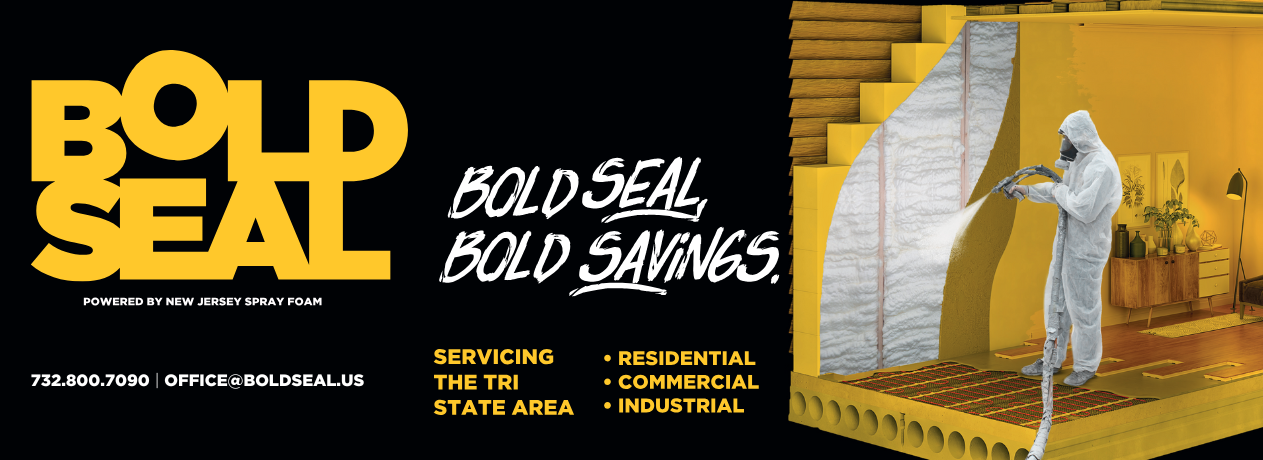
- A full-face respirator with organic vapor cartridges specifically designed for isocyanates. Chemical-resistant gloves, preferably made of nitrile or neoprene. Eye protection, such as safety goggles or a face shield, to protect against splashes. Protective clothing, including coveralls, to prevent skin contact with the spray foam. The clothing must be completely sealed to avoid skin exposure and should be washed immediately after use. Footwear that protects from spills and splashes.
How Important Is Ventilation During Application?
Adequate ventilation is paramount during spray foam insulation application. The off-gassing of VOCs during the curing process can create a hazardous environment if not properly https://www.boldsealinsulation.com/new-jersey-insulation/monmouth-county-nj-insulation-contractors/howell-nj-spray-foam-insulation managed. Proper ventilation minimizes the concentration of isocyanates and other harmful chemicals in the air, reducing the risk of inhalation. This is crucial for respiratory protection and overall worker safety. In confined spaces, specialized ventilation equipment may be necessary to maintain safe air quality. Before work begins, carefully evaluate the area’s ventilation system, and supplement this as needed with additional ventilation units.
What Are the First Aid Measures for Accidents?
In case of skin contact, immediately remove contaminated clothing and wash the affected area thoroughly with soap and water for at least 15 minutes. For eye contact, flush the eyes with plenty of water for at least 15 minutes, lifting the eyelids occasionally. Seek immediate medical attention if irritation persists or if significant exposure occurs. If inhalation occurs, move the individual to fresh air and monitor their breathing. Administer oxygen if necessary and seek immediate medical attention. If an allergic reaction occurs, administer epinephrine (if trained and authorized) and immediately seek medical attention. Having a well-defined emergency response plan readily available is vital. A readily available safety data sheet (SDS) is also critical.
What Should Be Considered for Cleanup and Waste Disposal?
Cleaning up overspray requires careful attention. Use appropriate cleanup solvents recommended by the manufacturer and follow all safety instructions meticulously. Dispose of any waste materials, including used PPE and leftover spray foam, according to local and federal regulations. Consult the SDS for specific disposal guidelines, as spray foam is often considered hazardous waste. Always adhere to all safety guidelines as outlined by federal, state, and local regulations. Improper disposal can have adverse environmental consequences.
What Training Is Required for Safe Application?
Safe spray foam insulation application necessitates proper training and certification. Training programs cover safe handling procedures, risk assessment, proper use of PPE, emergency response, and waste disposal. Certified applicators possess the knowledge and skills to minimize risks and ensure compliance with safety standards. This training is not just for those directly handling the spray foam, but also for those involved in preparation, cleanup, and site management.
What Are the Emergency Response Procedures?
Establish a clear emergency response plan before commencing any spray foam insulation project. This plan should include procedures for handling spills, managing medical emergencies, and contacting appropriate emergency services. A designated emergency contact should always be readily available. Regular safety training for all personnel is crucial. Knowing how to contain a spill and the proper methods for first aid are vital components of such a plan. Regular safety checks and thorough risk assessments are essential in ensuring a safe working environment.
Frequently Asked Questions
Q: What are the health risks associated with spray foam insulation?
A: Health risks include respiratory issues, skin irritation, and allergic reactions due to chemicals like isocyanates. Exposure can cause severe reactions, from mild irritation to serious health complications.
Q: How long should you ventilate after applying spray foam insulation?
A: Adequate ventilation should be maintained for at least 24 hours after application, and often longer, depending on the size of the space and the amount of foam used. Monitor air quality to ensure safe levels of VOCs.
Q: Can anyone apply spray foam insulation?
A: No, professional training and certification are essential for safe and proper application. Untrained individuals risk serious health hazards and improper application can lead to inefficiencies.
Q: What is the best way to dispose of leftover spray foam?
A: Refer to the Material Safety Data Sheet (MSDS) for specific disposal instructions. It will often need to be handled as hazardous waste. Contact your local waste management authority for guidance.
Q: Are there any alternatives to spray foam insulation?
A: Yes, alternatives include fiberglass, cellulose, and mineral wool insulation. Each has different properties, costs, and environmental impacts. Choose the best option based on your specific needs and environmental concerns.
In conclusion, while spray foam insulation offers significant benefits, safety must remain the top priority. By diligently adhering to safety protocols, utilizing appropriate PPE, and ensuring adequate training, you can minimize risks and harness the advantages of spray foam insulation effectively and responsibly. Remember, investing in safety is investing in the long-term success of your project and well-being of everyone involved.