Thinking about upgrading your home's insulation? Spray foam insulation is a popular choice, but is it the right one for you? This comprehensive guide dives deep into the advantages and disadvantages of spray foam, helping you make an informed decision for your home improvement project.
What Is Spray Foam Insulation?
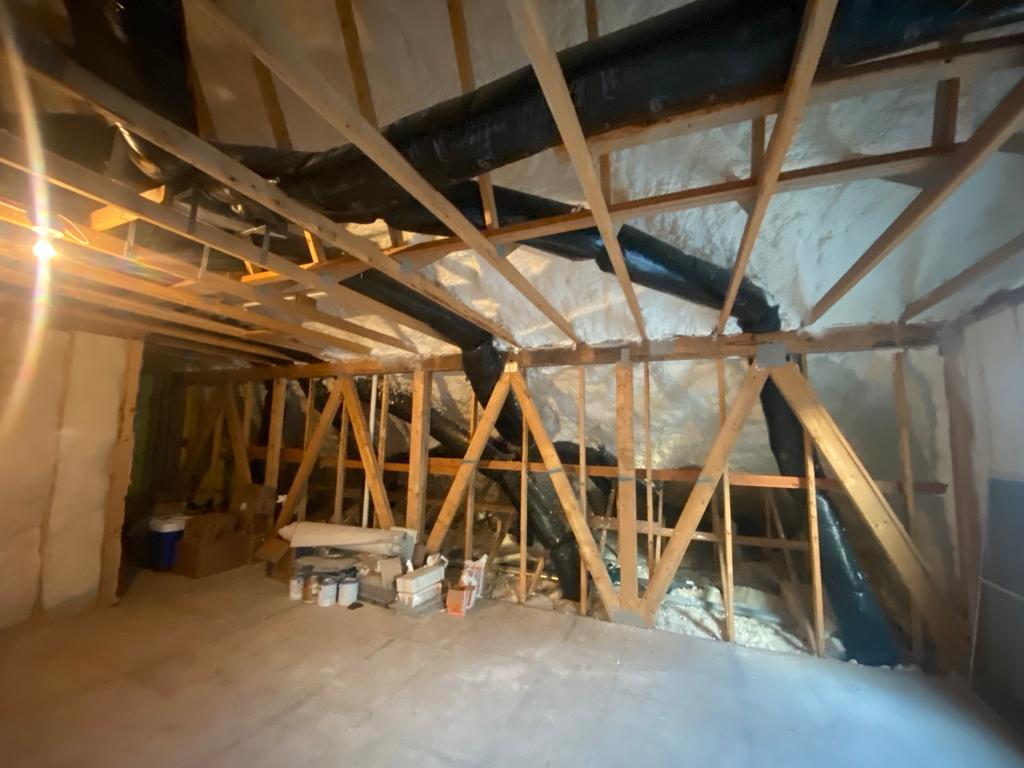
Spray foam insulation, a type of expanding foam, is a versatile material increasingly used for home insulation. Primarily composed of polyurethane or polyisocyanurate foam, it's applied as a liquid and expands to fill cavities, creating a seamless air and thermal barrier. Two main types exist: open-cell and closed-cell spray foam. Open-cell spray foam offers excellent thermal performance (high R-value) and breathability, while closed-cell spray foam boasts higher density, superior moisture resistance, and a higher R-value per inch, making it ideal for damp climates. Both types significantly enhance energy efficiency and contribute to a quieter living environment through superior soundproofing.
What Are the Advantages of Spray Foam Insulation?
Spray foam insulation presents numerous benefits for homeowners. Its high R-value, a measure of thermal resistance, significantly reduces energy loss through your walls, attic, and floors, leading to lower heating and cooling bills. Its exceptional air sealing capabilities prevent drafts and air infiltration, improving indoor air quality and reducing energy waste. Beyond energy efficiency, spray foam insulation offers robust moisture control, inhibiting mold and pest infestations, thereby protecting your home's structure and promoting a healthier living environment. The long lifespan and durability of spray foam also contributes to its https://ocean-county-nj-07728-q-x-9-9-3.lucialpiazzale.com/optimize-your-farm-with-agricultural-insulation-services-in-2025 cost-effectiveness in the long run. The superior thermal performance and airtight seal greatly improves the overall energy efficiency of the home.
What Are the Disadvantages of Spray Foam Insulation?
While spray foam insulation offers compelling advantages, potential drawbacks deserve consideration. The initial cost is significantly higher than traditional insulation materials like fiberglass. Furthermore, some formulations contain volatile organic compounds (VOCs) that can release gases (off-gassing) during and after installation, potentially causing short-term health concerns for some individuals. Professional installation is generally recommended due to the complexity of the application process; DIY spray foam application can be challenging and may lead to uneven coverage or health risks if not handled correctly. Finding a qualified insulation contractor is crucial for a proper installation which meets building codes.
How Does Spray Foam Insulation Compare to Other Insulation Types?
Spray foam insulation stands out compared to fiberglass, cellulose, and mineral wool. While traditional insulations provide decent thermal performance, spray foam's superior air sealing capabilities minimize thermal bridging—the transfer of heat through structural elements. This leads to superior overall energy efficiency and reduces energy consumption. The cost comparison favors traditional insulation upfront; however, spray foam's long-term energy savings and durability often offset the higher initial investment. A detailed cost-benefit analysis considering your climate, home size, and energy usage is crucial for determining the most suitable choice, ensuring it meets the relevant building codes.
What Is the Installation Process for Spray Foam Insulation?
Spray foam insulation is typically applied by professional contractors using specialized equipment. Proper preparation is crucial; the area to be insulated needs to be properly cleaned and prepped, and all necessary safety precautions taken. The foam is sprayed into the designated cavities, expanding to fill every nook and cranny, creating a continuous layer of insulation. This process is quite different from DIY methods, where the application can be messy and inefficient, potentially compromising the insulating properties. Building permits might be required depending on local building codes and regulations. Ensuring compliance with local building codes and regulations is a crucial aspect of a successful installation.
How Does Climate Affect the Choice of Spray Foam Insulation?
Climate significantly impacts the choice between open-cell and closed-cell spray foam insulation. In humid climates, closed-cell's superior moisture resistance is advantageous, preventing water damage and mold growth. In drier climates, open-cell spray foam's breathability might be preferred, allowing moisture vapor to escape. The required insulation thickness also varies depending on the climate zone; colder climates generally necessitate greater thickness for adequate thermal performance. Proper selection ensures the insulation effectively manages humidity and temperature fluctuations throughout the year, providing long-term protection for your home's structure and interior environment.
What Maintenance Is Required for Spray Foam Insulation?
Spray foam insulation requires minimal maintenance. Its durability and resistance to pests and moisture reduce the likelihood of damage. However, occasional inspections for any signs of damage or degradation are recommended. Warranties are typically offered by manufacturers, providing assurance against defects in materials or workmanship. Product selection influences the longevity and maintenance requirements, and understanding the terms of the warranty is vital. Addressing any issues promptly can preserve the insulation's efficacy and extend its lifespan.
What Is the Environmental Impact of Spray Foam Insulation?
The environmental impact of spray foam insulation is a complex issue. While some formulations contain VOCs, manufacturers are increasingly developing low-VOC or zero-VOC options, minimizing the release of harmful gases. Closed-cell spray foam generally has a lower global warming potential compared to open-cell. The long lifespan of spray foam, reducing the need for frequent replacements, contributes positively to its sustainability. Green building certifications often favor spray foam due to its energy-saving properties, reflecting its contribution to a more sustainable building industry. Considering the life-cycle assessment of different insulation types is vital for minimizing environmental footprint.
FAQ Section
What is the average cost of spray foam insulation? The cost varies based on the type of foam, the area to be insulated, and labor costs. Get multiple quotes from reputable contractors for accurate pricing.
How long does spray foam insulation last? With proper installation, spray foam insulation can last for decades, sometimes the entire lifespan of your home.
Can I install spray foam insulation myself? While DIY is possible, professional installation is strongly recommended due to safety and efficacy concerns.
Is spray foam insulation safe for my health? Modern low-VOC or zero-VOC formulations minimize health risks, but it's still advisable to ensure proper ventilation during and after installation.
What should I consider when choosing insulation for my home? Factors include climate, budget, energy efficiency goals, and the type of structure (attic, walls, crawl space). Consult a professional for personalized advice.
Choosing the right insulation is a critical decision impacting your home's comfort, energy efficiency, and long-term value. By carefully weighing the pros and cons of spray foam insulation and comparing it with other options, you can make an informed choice tailored to your specific needs and budget. Contact a reputable insulation contractor today for a free consultation and get started on improving your home's energy performance!